Many serious dental issues begin quietly, with little to no pain. By the time symptoms appear, treatment is often more complex and expensive. Regular dental checkups play a critical role in identifying problems early, protecting oral health, and preventing unnecessary costs.
For patients in Ancaster, routine dental checkups are one of the most effective ways to maintain healthy teeth and gums while avoiding emergency care and advanced procedures.
What Happens During a Dental Checkup?
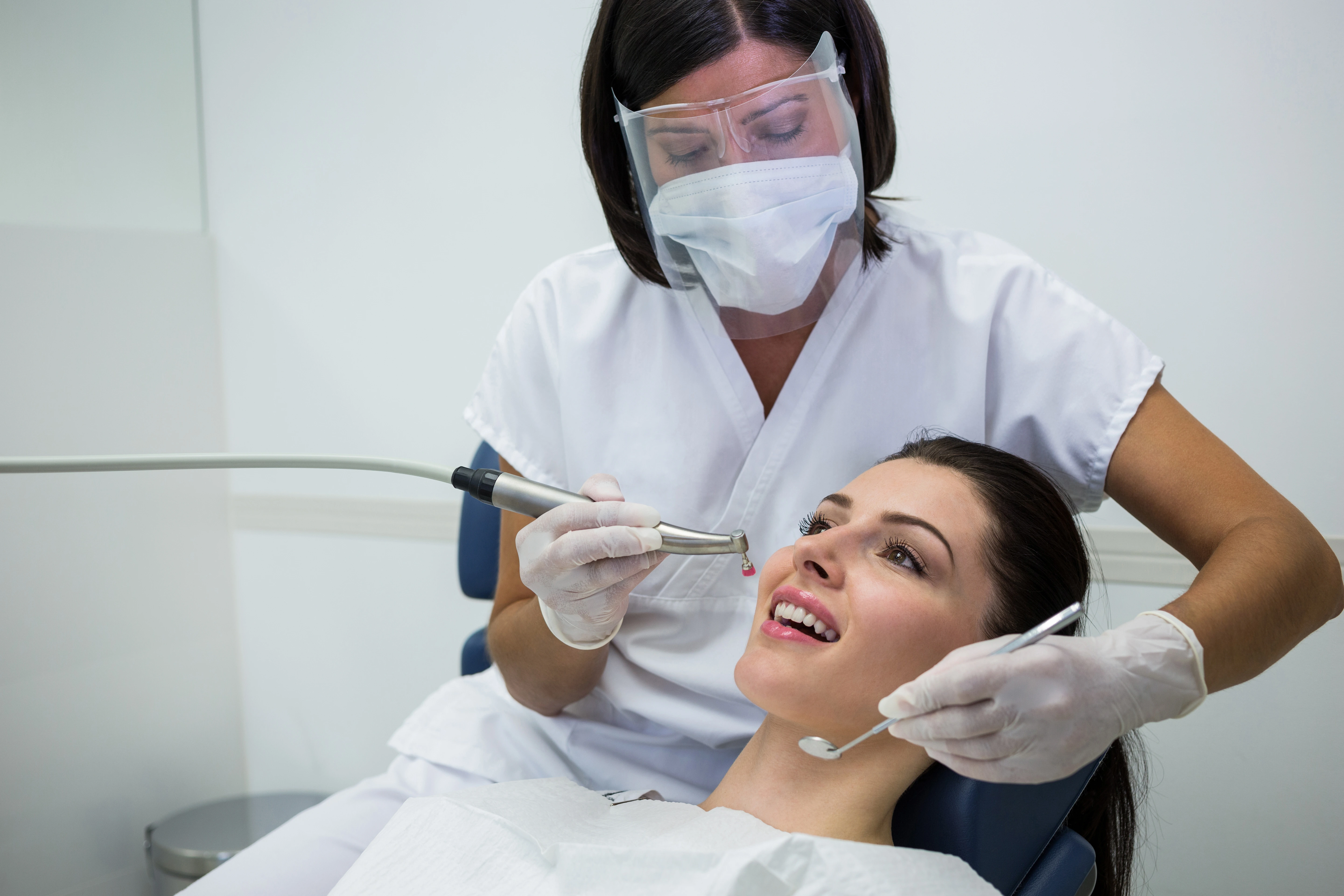
A dental checkup is far more than a quick look at your teeth. It is a comprehensive evaluation designed to identify current issues and prevent future ones.
A typical dental checkup includes:
Examination of teeth, gums, and soft tissues
Screening for gum disease and inflammation
Evaluation of existing restorations
Oral cancer screening
Dental X-rays when necessary
Professional cleaning or hygiene assessment
These steps allow dental professionals to spot early changes before they develop into major problems.
Early Detection Reduces Treatment Costs
One of the biggest advantages of regular dental checkups is early detection. Small dental issues are usually simpler and less expensive to treat.
For example:
A minor cavity can often be treated with a small filling
Early gum inflammation can be reversed with professional cleaning
Hairline cracks can be monitored before they worsen
Minor bite issues can be corrected before causing jaw pain
When dental problems are caught early, treatment is typically quicker, less invasive, and more affordable.
The Hidden Costs of Skipping Dental Checkups
Skipping routine dental visits often leads to more serious issues that require complex treatment. Dental problems rarely resolve on their own and tend to worsen over time.
Delaying checkups can result in:
Deep tooth decay requiring root canal therapy
Advanced gum disease needing periodontal treatment
Tooth loss requiring implants or dentures
Dental infections leading to emergency visits
Increased risk of oral surgery
These treatments are not only more expensive but also more time-consuming and stressful.
Gum Disease and Long-Term Health Risks
Gum disease is one of the most common oral health problems, and it often develops without noticeable symptoms. Dental checkups are essential for detecting gum disease in its earliest stages.
Untreated gum disease has been linked to:
Heart disease
Diabetes complications
Stroke
Respiratory infections
Routine dental exams help identify gum inflammation early, reducing both dental costs and potential medical complications.
Dental Checkups Protect Existing Dental Work
Fillings, crowns, bridges, and implants require regular monitoring. Even high-quality dental work can fail if underlying issues are not detected.
During dental checkups, dentists assess:
Wear and integrity of restorations
Signs of decay around fillings or crowns
Bite alignment affecting restorations
Gum health around implants
Early repairs or adjustments help extend the lifespan of dental work, preventing the need for costly replacements.
Preventing Dental Emergencies
Many dental emergencies are the result of untreated or unnoticed problems. Routine checkups significantly reduce the likelihood of sudden pain or infection.
Dental checkups help prevent emergencies by:
Detecting infections before they become severe
Monitoring weakened teeth prone to fracture
Identifying impacted or problematic wisdom teeth
Addressing bite issues that cause tooth damage
Avoiding emergencies not only saves money but also protects overall health and comfort.
The Role of Dental X-Rays in Prevention
Dental X-rays play a crucial role in identifying issues that cannot be seen during a visual exam. Modern X-ray technology uses minimal radiation and is considered safe for routine diagnostic use.
X-rays help detect:
Decay between teeth
Bone loss from gum disease
Infections beneath the gum line
Impacted teeth
Early cysts or tumors
These insights allow dentists to intervene early, often preventing invasive procedures.
Dental Checkups Support Long-Term Oral Health Planning
Regular dental visits allow for personalized oral health planning based on individual risk factors such as age, medical history, and lifestyle.
Through ongoing checkups, dentists can:
Create preventive care schedules
Identify habits affecting oral health
Recommend protective treatments
Monitor gradual changes over time
This proactive approach helps patients maintain stable oral health while minimizing future costs.
Financial Benefits of Preventive Dentistry
Preventive dental care is one of the most cost-effective investments in healthcare. Routine checkups help reduce overall dental expenses by avoiding major procedures.
Benefits include:
Lower lifetime dental costs
Fewer emergency visits
Reduced need for complex restorations
Better insurance utilization
Regular checkups often cost far less than treating advanced dental disease.
Frequently Asked Questions
How often should I have a dental checkup?
Most patients should schedule dental checkups every six months. Some individuals with higher risk factors may need more frequent visits.
Are dental checkups necessary if I have no pain?
Yes. Many serious dental problems develop without pain. Routine checkups help detect issues early, before symptoms appear.
Do dental checkups really save money?
Yes. Preventive care reduces the likelihood of needing expensive treatments such as root canals, extractions, or implants.
What happens if a problem is found during a checkup?
If an issue is detected, your dentist will explain the findings and recommend appropriate treatment options based on severity and urgency.
Are dental X-rays safe?
Modern dental X-rays use very low radiation levels and are considered safe. They are an important tool for early detection and prevention.
Can dental checkups improve overall health?
Yes. Oral health is closely linked to overall health, and regular dental checkups support early detection of systemic issues.
Final Thoughts
Ancaster dental checkups prevent costly oral health problems by focusing on early detection, prevention, and long-term care. Routine visits protect teeth, gums, existing dental work, and overall health while reducing the financial burden of advanced treatment.