
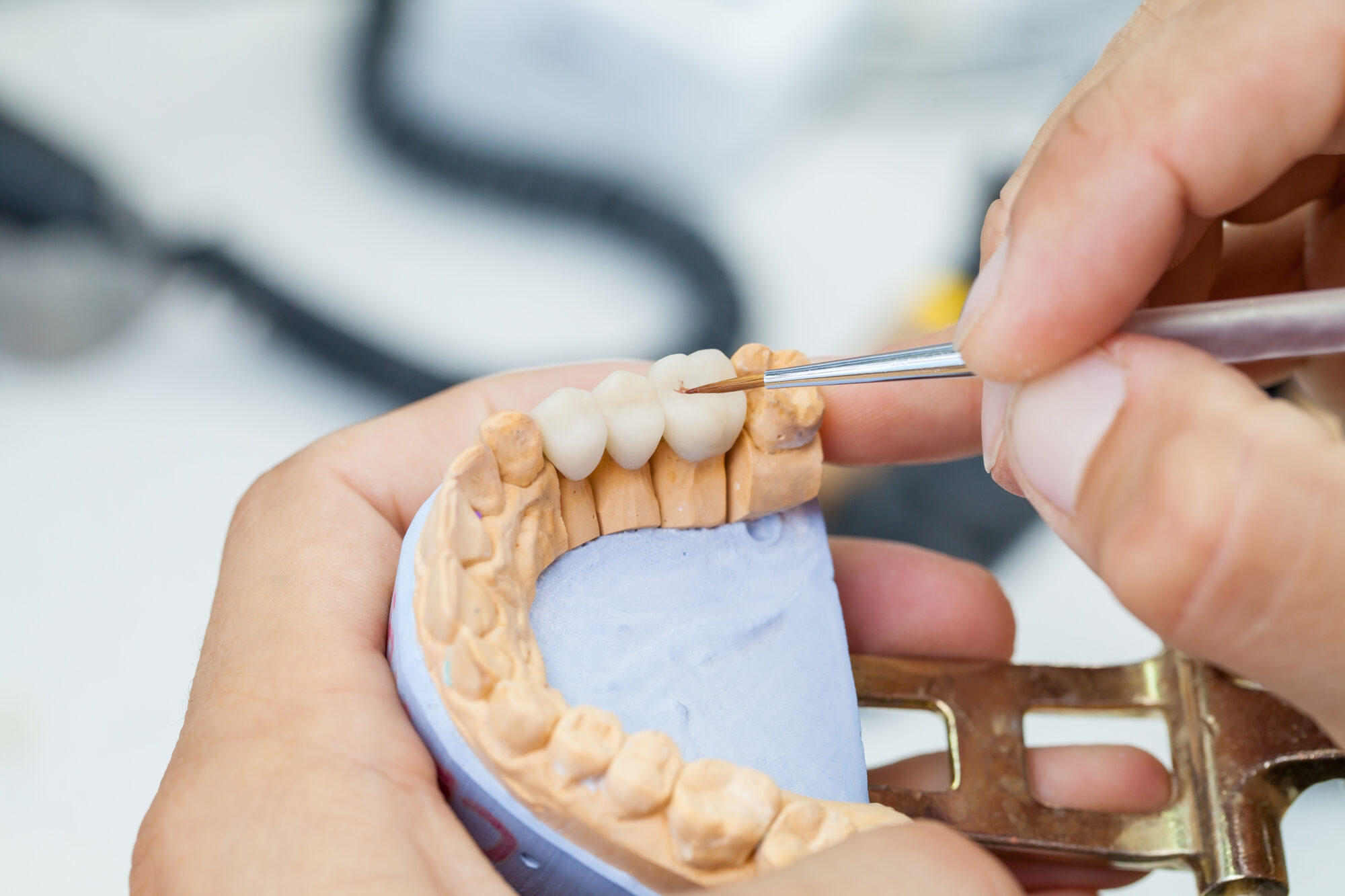
Missing teeth can affect more than just your appearance. Gaps in your smile can impact your ability to chew properly, alter your speech, and even lead to long-term oral health problems. Fortunately, dental bridges in Ancaster provide a reliable, long-lasting solution for replacing missing teeth and restoring both function and confidence.
In this blog, we’ll explain what dental bridges are, how they work, their benefits, and why choosing dental bridges may be the right option for closing gaps in your smile.
What Are Dental Bridges?
A dental bridge is a fixed restorative dental treatment designed to replace one or more missing teeth. As the name suggests, a bridge “bridges” the gap left by missing teeth using artificial teeth anchored to adjacent natural teeth or dental implants.
Dental bridges are custom-made to match the color, shape, and size of your natural teeth, ensuring a seamless and natural appearance.
Why Replacing Missing Teeth Matters
Leaving a gap in your smile untreated can lead to several oral health issues over time, including:
Shifting of surrounding teeth
Bite misalignment
Difficulty chewing and speaking
Jawbone deterioration
Increased risk of gum disease and decay
By choosing dental bridges in Ancaster, patients can prevent these complications while restoring their smile’s strength and appearance.
Types of Dental Bridges Available in Ancaster
Your dentist will recommend the best type of bridge based on your oral health, the number of missing teeth, and the condition of adjacent teeth.
1. Traditional Dental Bridges
Traditional bridges are the most common type. They consist of artificial teeth supported by dental crowns placed on the teeth adjacent to the gap.
2. Cantilever Bridges
Cantilever bridges are used when there is only one supporting tooth next to the missing tooth. They are typically recommended for areas with less biting pressure.
3. Maryland Bonded Bridges
Also known as resin-bonded bridges, these use a metal or porcelain framework bonded to the back of adjacent teeth. They are a more conservative option for front teeth.
4. Implant-Supported Bridges
Implant-supported bridges are anchored by dental implants rather than natural teeth. They offer exceptional strength and durability and help preserve jawbone health.
Benefits of Dental Bridges
Dental bridges offer numerous advantages for patients dealing with missing teeth:
Restored Chewing Function
With a dental bridge, you can enjoy your favorite foods again without discomfort or difficulty.
Improved Appearance
Dental bridges are designed to blend naturally with your existing teeth, restoring a complete and confident smile.
Clearer Speech
Missing teeth can affect pronunciation. Bridges help restore normal speech patterns.
Prevent Teeth Shifting
A bridge keeps neighboring teeth in proper alignment, preventing unwanted movement.
Long-Lasting Solution
With proper care, dental bridges can last 10–15 years or longer, making them a durable investment in your oral health.
The Dental Bridge Procedure: What to Expect
Getting a dental bridge typically involves two to three visits to your dentist in Ancaster.
Step 1: Initial Consultation
Your dentist will examine your teeth, take X-rays, and discuss your treatment options.
Step 2: Tooth Preparation
For traditional bridges, the supporting teeth are reshaped to accommodate crowns. Impressions are taken to create a custom bridge.
Step 3: Temporary Bridge
A temporary bridge may be placed to protect your teeth while the permanent bridge is being fabricated.
Step 4: Final Placement
Once ready, the permanent dental bridge is carefully fitted, adjusted, and securely bonded in place.
Caring for Your Dental Bridge
Proper care is essential to extend the life of your dental bridge. Follow these tips:
Brush twice daily with fluoride toothpaste
Floss daily using floss threaders or water flossers
Maintain regular dental checkups and cleanings
Avoid chewing hard objects like ice or pens
Address gum health to protect supporting teeth
Good oral hygiene ensures your bridge remains strong and functional for years.
Dental Bridges vs. Other Tooth Replacement Options
Dental bridges are one of several tooth replacement solutions available. Compared to dentures, bridges are fixed in place and feel more like natural teeth. Compared to implants, bridges typically require less treatment time and may be more affordable.
Your dentist will help determine which option best suits your oral health and lifestyle needs.
Are Dental Bridges Right for You?
Dental bridges are ideal for patients who:
Have one or more missing teeth
Have healthy adjacent teeth or implants
Want a fixed, non-removable solution
Seek a natural-looking restoration
A consultation with a dentist in Ancaster will help determine if dental bridges are the right choice for your smile.
Conclusion: Restore Your Smile with Dental Bridges in Ancaster
Gaps in your smile can affect your confidence and oral health, but they don’t have to be permanent. Dental bridges in Ancaster offer a reliable, long-lasting solution to replace missing teeth, restore function, and enhance your appearance.
If you’re missing teeth and want a durable, natural-looking option, dental bridges may be the right solution for you. Schedule a consultation today and take the first step toward a complete, healthy smile.
Frequently Asked Questions
1. How long do dental bridges last?
With proper care and regular dental visits, dental bridges can last 10–15 years or longer.
2. Are dental bridges painful?
The procedure is generally comfortable and performed under local anesthesia. Mild sensitivity afterward is normal and temporary.
3. Can I eat normally with a dental bridge?
Yes. After a short adjustment period, you can eat most foods comfortably. Avoid very hard or sticky foods to protect your bridge.
4. Do dental bridges look natural?
Yes. Dental bridges are custom-made to match your natural teeth in color and shape for a seamless appearance.
5. What happens if I don’t replace a missing tooth?
Leaving a gap can cause teeth shifting, bite problems, bone loss, and increased risk of decay and gum disease.