
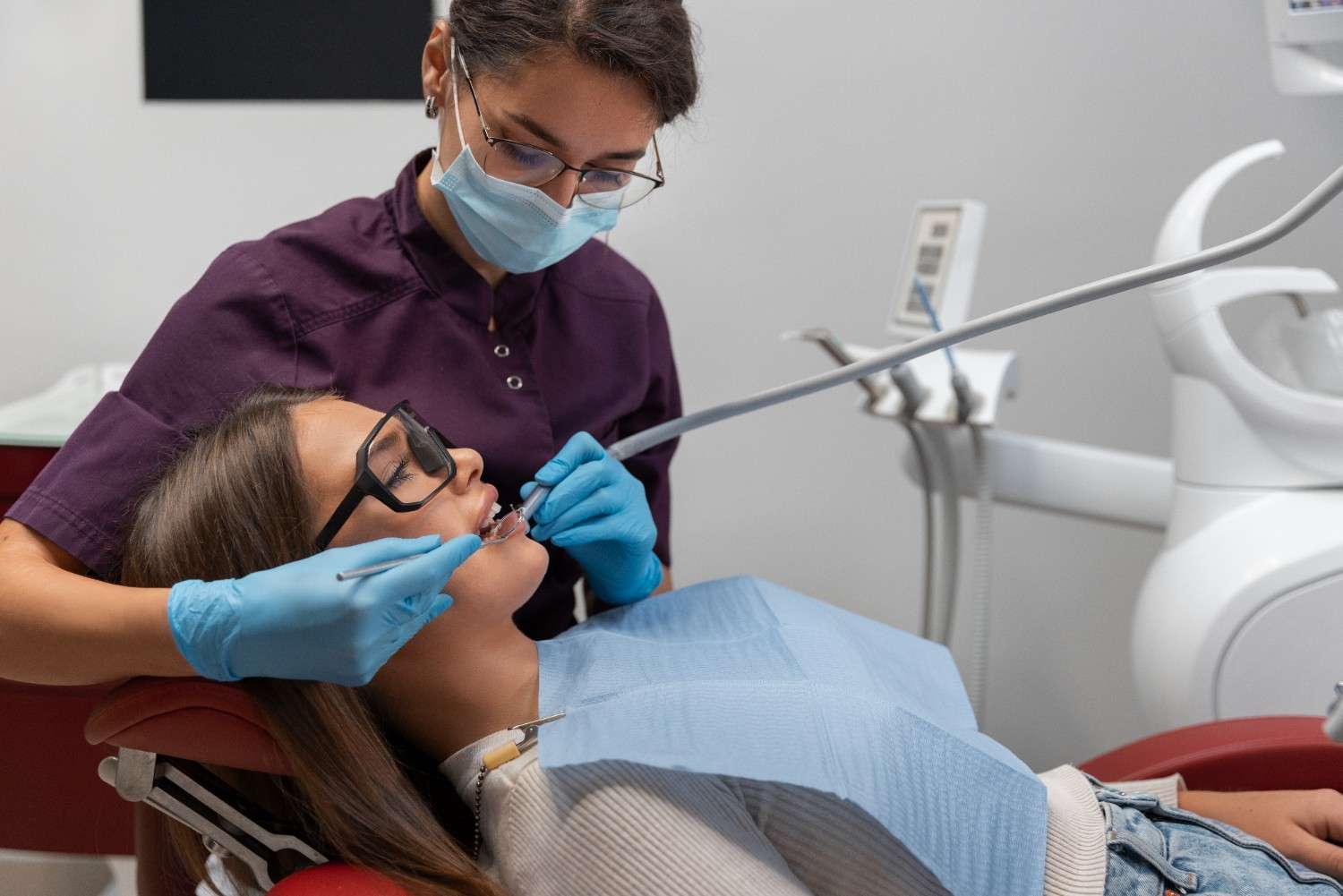
When sudden tooth pain strikes or a dental problem appears out of nowhere, many patients feel confused about whom to call first: a regular dentist or an emergency dentist. While both provide essential oral care, they handle different situations. Understanding the difference can save you time, relieve pain faster, and even protect your teeth from long-term damage.
This guide breaks down when you should see an emergency dentist, when a regular dentist is the right choice, and how to make quick decisions in urgent situations.
What Makes an Emergency Dentist Different?
A regular dentist typically works by scheduled appointments. They focus on preventive care, routine treatments, and long-term oral health.
An emergency dentist, on the other hand, is equipped to handle:
Severe tooth pain
Sudden infections
Dental injuries
Broken or knocked-out teeth
Urgent swelling
Issues that cannot wait for a routine visit
Emergency dentists usually offer same-day appointments, extended hours, and immediate pain relief. Their goal is not just to treat the issue but to respond quickly and prevent complications.
When You Need an Emergency Dentist
Not every dental problem is an emergency. However, anything involving intense pain, bleeding, trauma, or infection should be treated urgently.
1. Severe Tooth Pain
If you cannot eat, sleep, or concentrate because of tooth pain, it’s time to call an emergency dentist. Pain can be caused by:
Deep cavity
Cracked tooth
Infection
Abscess
Impacted tooth
Severe pain is your body’s warning—don’t ignore it.
2. Swelling or Infection
Swelling around the gums, jaw, or face can indicate a serious infection. Dental infections can spread quickly and may even become life-threatening.
Warning signs:
Fever
Bad taste in the mouth
Pus around the gums
Difficulty opening your mouth
An emergency dentist will drain the infection, relieve pain, and prescribe medication when needed.
3. Broken, Cracked, or Chipped Teeth
If a tooth breaks suddenly—during sports, eating, or an accident—immediate care is essential. A cracked tooth can expose nerves and lead to infection if untreated.
An emergency dentist can:
Smooth sharp edges
Restore the tooth
Prevent nerve damage
Reduce pain
4. Knocked-Out Tooth (Avulsed Tooth)
Time-sensitive emergency!
A tooth that’s completely knocked out must be re-implanted within 30–60 minutes for the best chance of survival.
What to do BEFORE you reach the emergency dentist:
Pick the tooth up by the crown (not the root).
Rinse gently with water—do NOT scrub.
Keep it in milk or saline solution.
Get to the emergency dentist immediately.
5. Uncontrolled Bleeding
After trauma or extraction, bleeding should slow down. If bleeding continues for more than 30 minutes, urgent care is needed.
6. Lost Crown, Filling, or Veneer
This is not always painful, but if the exposed tooth hurts or feels sensitive, emergency treatment is recommended.
When a Regular Dentist Is the Right Choice
Regular dentists provide comprehensive care, focusing on prevention, maintenance, and long-term dental solutions. You should see your regular dentist for:
1. Routine Checkups and Cleanings
These appointments keep your teeth healthy and catch problems early.
2. Small Cavities or Minor Tooth Pain
If the discomfort is mild or comes and goes, a scheduled visit works fine.
3. Cosmetic Procedures
For treatments like:
Teeth whitening
Veneers
Invisalign
Cosmetic bonding
a regular dentist is the right choice.
4. Planned Treatments
Including:
Root canals
Crowns
Bridges
Dentures
Braces
All of these can be completed by a regular dentist through scheduled appointments.
How to Quickly Decide: Emergency Dentist vs. Regular Dentist
Here’s a simple decision guide:
Go to an Emergency Dentist if:
Pain is severe or sudden
You have swelling, infection, or fever
A tooth is knocked out
There is uncontrolled bleeding
A tooth breaks and causes pain
You feel pressure or throbbing in your jaw
Go to a Regular Dentist if:
Pain is mild or manageable
The issue isn’t urgent
You need routine care
The problem can wait a day or two
You need preventive or cosmetic treatments
Why Acting Quickly Matters
Many dental problems worsen if ignored. Infection can spread, pain can increase, and teeth can become harder—or impossible—to save. Acting quickly can mean the difference between a simple treatment and emergency surgery.
An emergency dentist helps prevent:
Permanent tooth loss
Complications from infections
Extreme pain
Costly future dental work
What Happens During an Emergency Dental Visit
A typical emergency appointment includes:
1. Immediate Assessment
The dentist evaluates pain level, bleeding, or infection.
2. X-rays
Digital imaging helps identify hidden damage.
3. Pain Relief and Stabilization
This can include:
Temporary fillings
Draining infection
Medication
Tooth stabilization
Nerve treatment
4. A Treatment Plan
After the emergency care, you may return for a follow-up with your regular dentist.
Tips to Prevent Dental Emergencies
Although not all emergencies can be avoided, many are preventable with good habits:
Maintain regular checkups
Wear mouthguards during sports
Avoid chewing ice or hard candies
Treat cavities early
Address tooth sensitivity promptly
Good oral hygiene is still the number one way to prevent sudden dental issues.
FAQs
1. What is considered a dental emergency?
Any situation involving severe pain, bleeding, infection, swelling, or trauma that requires immediate attention is a dental emergency.
2. Can I go to a regular dentist for tooth pain?
If the pain is mild, yes. But severe, sudden, or persistent pain should be treated by an emergency dentist.
3. What if I break a tooth but feel no pain?
Even without pain, a broken tooth can lead to infection. It’s best to see a dentist promptly.
4. Can a knocked-out tooth be saved?
Yes—if treated within 30–60 minutes. Store it in milk and get to an emergency dentist immediately.
5. Are emergency dentists more expensive?
Fees vary, but emergency treatment is often similar in cost to regular care. The bigger cost comes from delaying treatment, which can lead to more serious procedures.
6. Should I go to the hospital or an emergency dentist?
Hospitals can manage trauma and infections, but they usually cannot treat the tooth itself. For most dental emergencies, an emergency dentist is the best option.
Final Thoughts
Knowing when to visit an emergency dentist versus a regular dentist helps you act quickly and protect your oral health. If you’re in severe pain, have swelling, or experience dental trauma, don’t wait—emergency care ensures fast relief and better long-term outcomes.