
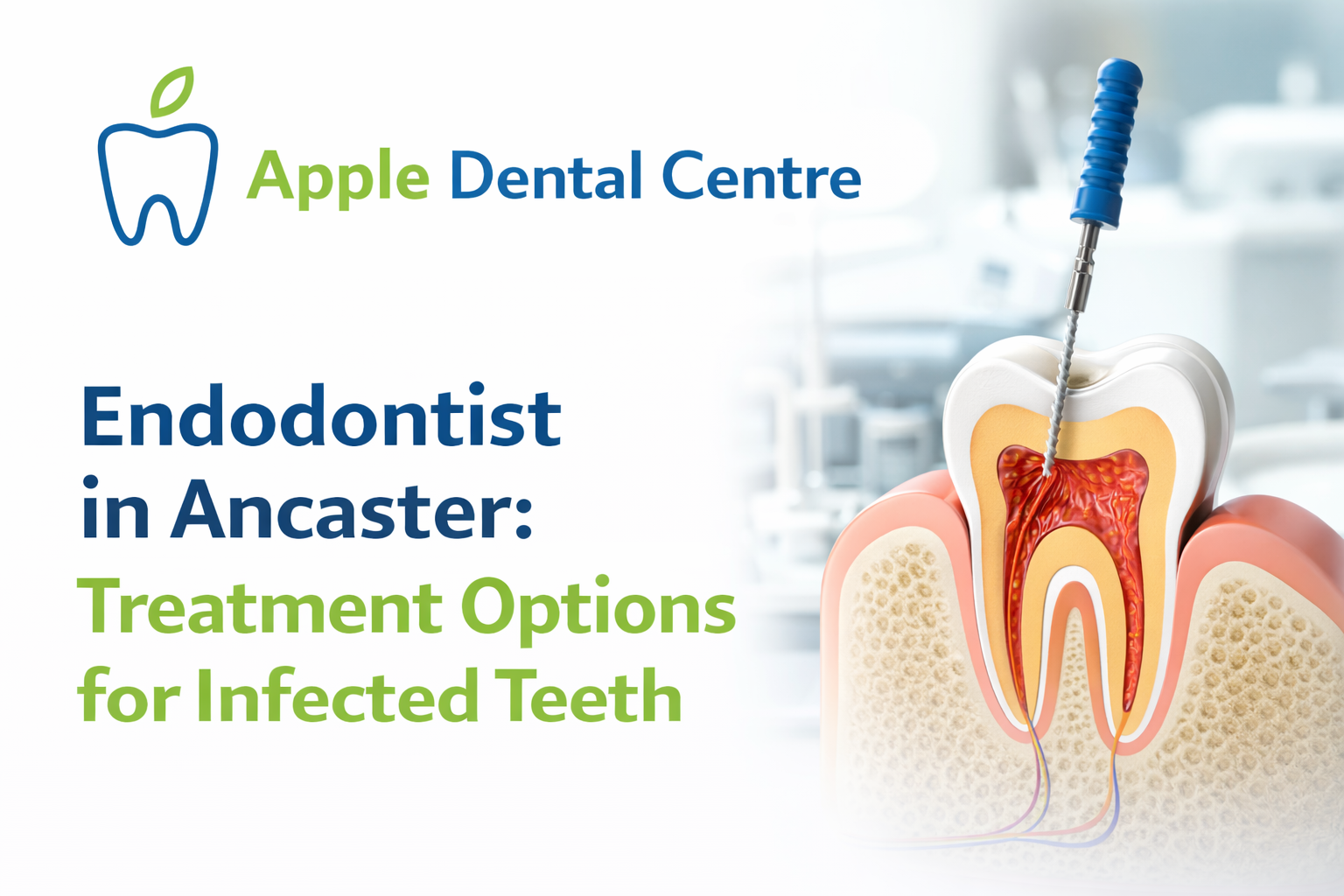
Dental infections can be painful, stressful, and potentially dangerous if left untreated. When the inner part of your tooth—known as the pulp—becomes infected or inflamed, it often requires specialized care. This is where an endodontist plays a critical role. If you're experiencing tooth pain or sensitivity, understanding your treatment options can help you make the right decision for your oral health.
In this blog, we’ll explore the causes of tooth infections, symptoms to watch for, and the most effective treatment options available in Ancaster.
What Is an Endodontist?
An endodontist is a dental specialist who focuses on diagnosing and treating problems related to the inside of the tooth, particularly the dental pulp and root canals. While general dentists can perform root canals, endodontists have advanced training and use specialized equipment to handle more complex cases with precision and care.
What Causes Tooth Infections?
Tooth infections typically occur when bacteria enter the pulp of the tooth. This can happen due to:
Deep cavities or untreated tooth decay
Cracked or chipped teeth
Repeated dental procedures on the same tooth
Trauma or injury to the tooth
Gum disease that spreads to the tooth roots
Once bacteria reach the pulp, it can lead to inflammation, infection, and even abscess formation if not treated promptly.
Common Symptoms of an Infected Tooth
Recognizing the early signs of a tooth infection can help prevent complications. Some common symptoms include:
Persistent toothache or throbbing pain
Sensitivity to hot and cold temperatures
Swelling in the gums or face
Pain when chewing or biting
Darkening of the tooth
Pus or bad taste in the mouth
Fever or general discomfort
If you notice any of these symptoms, it’s important to seek treatment as soon as possible.
Treatment Options for Infected Teeth
An endodontist in Ancaster offers several effective treatments depending on the severity of the infection. Below are the most common options:
1. Root Canal Therapy
Root canal treatment is the most common and effective way to save an infected tooth.
Procedure Overview:
The endodontist removes the infected pulp
The inside of the tooth is cleaned and disinfected
The space is filled and sealed
A crown is often placed to restore strength and function
Benefits:
Relieves pain quickly
Preserves your natural tooth
Prevents infection from spreading
Modern root canal treatments are comfortable and highly successful, often completed in one or two visits.
2. Endodontic Retreatment
Sometimes, a tooth that has already undergone a root canal may not heal properly or becomes reinfected.
Why retreatment is needed:
Missed canals during the initial procedure
Delayed crown placement
New decay or damage
What happens during retreatment:
The previous filling is removed
The canals are cleaned again
The tooth is resealed
This option gives your tooth a second chance to heal properly.
3. Apicoectomy (Endodontic Surgery)
If a root canal or retreatment is not enough, a minor surgical procedure called an apicoectomy may be recommended.
Procedure Overview:
The tip of the tooth root is removed
Infected tissue is cleaned out
The root is sealed to prevent further infection
When it’s needed:
Persistent infection after root canal treatment
Complex root structures
This procedure is typically performed under local anesthesia and has a high success rate.
4. Tooth Extraction (Last Resort)
If the tooth is severely damaged and cannot be saved, extraction may be necessary.
When extraction is recommended:
Extensive decay or structural damage
Severe infection affecting surrounding bone
Failed previous treatments
After extraction, replacement options such as dental implants or bridges can restore your smile and function.
Why Saving Your Natural Tooth Is Important
Whenever possible, preserving your natural tooth is the best option. Natural teeth:
Maintain proper chewing function
Prevent shifting of surrounding teeth
Preserve jawbone structure
Provide a natural appearance
Endodontic treatments are designed to save your tooth and avoid the need for extraction.
What to Expect During Your Visit
When you visit an endodontist in Ancaster, the process typically includes:
Consultation and Examination Digital X-rays and evaluation of your symptoms
Diagnosis Identifying the cause and extent of the infection
Treatment Plan Personalized recommendation based on your condition
Procedure Performed with local anesthesia for comfort
Aftercare Guidance Instructions for recovery and follow-up care
Recovery and Aftercare Tips
After endodontic treatment, proper care ensures a smooth recovery:
Avoid chewing on the treated tooth until fully restored
Maintain good oral hygiene (brushing and flossing)
Take prescribed medications as directed
Attend follow-up appointments
Get a dental crown if recommended
Most patients return to normal activities within a day.
Preventing Tooth Infections
Prevention is always better than treatment. Here are some tips to keep your teeth healthy:
Brush twice daily with fluoride toothpaste
Floss regularly
Visit your dentist for routine checkups
Treat cavities early
Avoid biting hard objects
Wear a mouth guard if you play sports
Conclusion
Tooth infections can be serious, but with timely care from an experienced endodontist in Ancaster, they can be effectively treated. From root canal therapy to advanced surgical procedures, modern dentistry offers multiple solutions to save your natural teeth and relieve pain.
If you're experiencing tooth discomfort or suspect an infection, don’t wait. Early treatment not only protects your smile but also prevents more complex and costly procedures in the future.
Frequently Asked Questions
1. Is root canal treatment painful?
No, modern root canal procedures are performed under local anesthesia and are generally pain-free. Most patients feel relief from pain after the treatment.
2. How long does a root canal take?
A typical root canal can be completed in one to two visits, depending on the complexity of the case.
3. Can an infected tooth heal on its own?
No, a tooth infection will not heal without professional treatment. Delaying care can worsen the condition.
4. What happens if I ignore a tooth infection?
Ignoring an infection can lead to severe pain, abscess formation, bone loss, and even spread of infection to other parts of the body.
5. How much does endodontic treatment cost in Ancaster?
Costs vary depending on the procedure and complexity. A consultation with your endodontist will provide an accurate estimate.