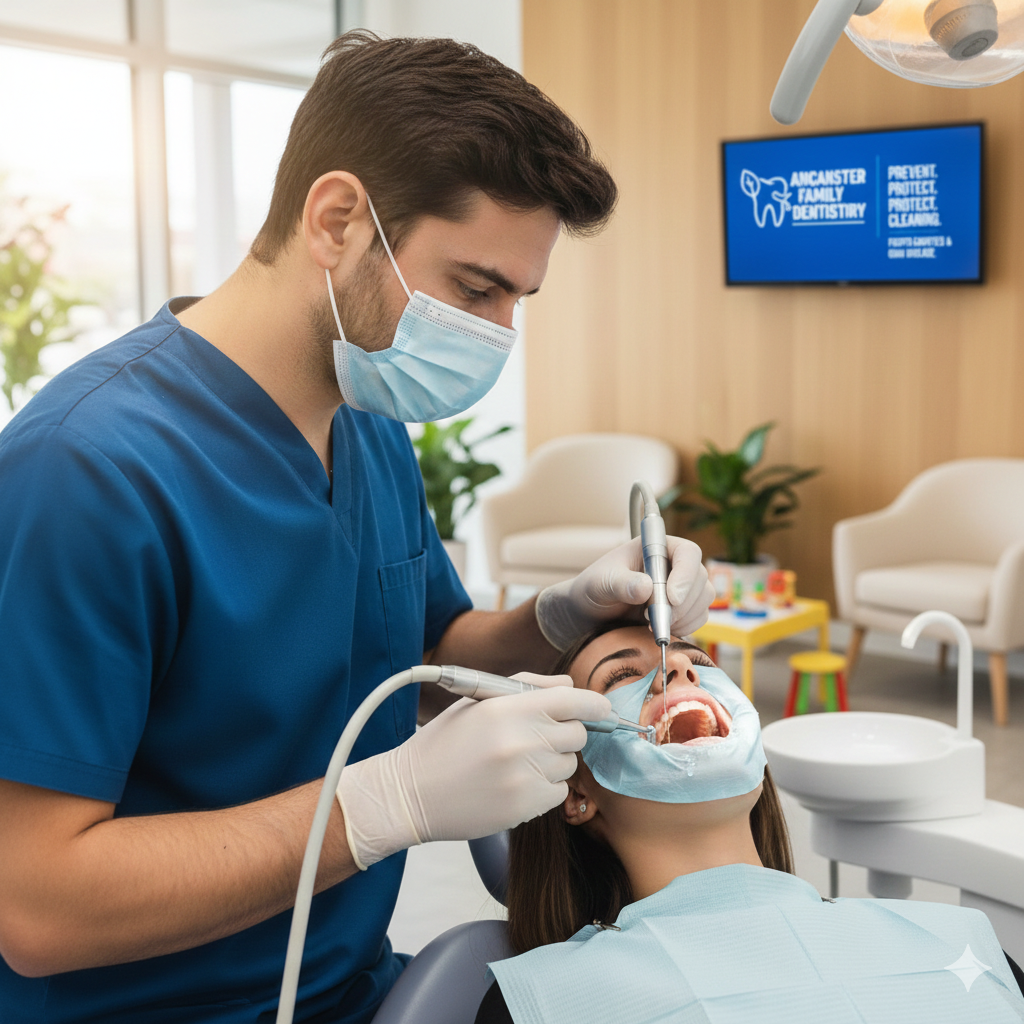
Preventive dental care is the foundation of lifelong oral health. In family dentistry, prevention focuses on protecting smiles at every age—from a child’s first tooth to maintaining strong, healthy teeth in adulthood and beyond. For families in Ancaster, preventive care helps reduce dental problems, lowers long-term treatment costs, and supports overall well-being.
Family dentistry emphasizes regular checkups, education, and early intervention. Rather than waiting for pain or visible problems, preventive care identifies risks early and keeps small issues from becoming serious dental concerns.
What Is Preventive Care in Family Dentistry?
Preventive care includes routine dental services and daily habits that protect teeth and gums from disease and damage. In a family dentistry setting, preventive care is tailored to each family member’s age, dental history, and specific needs.
Common preventive dental services include:
Regular dental exams
Professional teeth cleaning
Fluoride treatments
Dental sealants for children
Oral cancer screenings
X-rays when necessary
These services work together to maintain oral health and detect problems early, often before symptoms appear.
Why Preventive Care Is Important for the Whole Family
Dental problems rarely develop overnight. Cavities, gum disease, and enamel wear often start quietly and progress over time. Preventive care helps stop these issues before they become painful or costly.
Key benefits of preventive family dentistry include:
Reduced risk of cavities and gum disease
Early detection of dental problems
Fewer emergency dental visits
Lower long-term treatment costs
Better oral health habits for children
When families prioritize prevention, they create a strong foundation for lifelong healthy smiles.
Preventive Care for Children: Building Healthy Habits Early
Children benefit greatly from early preventive dental care. Baby teeth play a vital role in speech development, chewing, and guiding permanent teeth into place. Preventive visits help ensure these teeth stay healthy.
Preventive care for children often includes:
Monitoring tooth development
Teaching proper brushing and flossing
Fluoride treatments to strengthen enamel
Dental sealants to protect molars from decay
Family dentists also help children feel comfortable during dental visits, reducing fear and encouraging positive dental habits that last into adulthood.
Preventive Care for Teens and Young Adults
As children grow into teenagers, their dental needs change. Orthodontic treatment, wisdom teeth monitoring, and lifestyle factors all affect oral health.
Preventive care during these years focuses on:
Managing plaque buildup
Preventing cavities during orthodontic treatment
Addressing grinding or clenching habits
Encouraging consistent oral hygiene
Regular checkups ensure that dental development stays on track and that potential issues are addressed early.
Preventive Dentistry for Adults
Adults often juggle busy schedules, which can make dental care easy to overlook. However, preventive dentistry remains just as important in adulthood.
For adults, preventive care helps:
Detect cavities before they cause pain
Prevent gum disease and tooth loss
Monitor existing dental work
Maintain fresh breath and healthy gums
Routine dental visits also allow dentists to spot early signs of conditions that may affect overall health.
Gum Health: A Key Focus of Preventive Care
Healthy gums are essential for strong teeth. Gum disease is one of the most common dental problems in adults and often begins without noticeable symptoms.
Preventive care helps protect gum health by:
Removing plaque and tartar buildup
Identifying early gum inflammation
Providing guidance on proper home care
Early-stage gum disease is often reversible with professional care and improved oral hygiene, making prevention especially important.
The Role of Professional Dental Cleanings
Even with excellent brushing and flossing habits, plaque can harden into tartar that cannot be removed at home. Professional cleanings are a critical part of preventive care.
Benefits of professional cleanings include:
Removing hardened tartar
Polishing teeth to reduce staining
Lowering the risk of cavities and gum disease
Supporting fresh breath
Cleanings also give dentists a chance to examine your mouth closely and identify early signs of dental issues.
Preventive Care Saves Time and Money
One of the most practical benefits of preventive dentistry is cost savings. Treating dental problems early is usually simpler, less invasive, and more affordable than waiting until advanced treatment is needed.
Preventive care can help families avoid:
Root canal treatments
Tooth extractions
Extensive restorations
Dental emergencies
By investing in routine care, families often reduce the need for complex dental procedures in the future.
Education and Guidance for Better Oral Health
Family dentistry places a strong emphasis on education. Dentists and hygienists provide guidance on brushing techniques, flossing methods, and dietary choices that affect oral health.
Preventive education helps families:
Improve daily oral hygiene habits
Understand the impact of diet on teeth
Recognize early warning signs of dental problems
This ongoing guidance empowers patients to take control of their oral health.
Preventive Dentistry and Overall Health
Oral health is closely linked to overall health. Research shows connections between gum disease and conditions such as heart disease, diabetes, and respiratory issues.
Preventive dental care supports overall health by:
Reducing inflammation in the mouth
Lowering the risk of infection
Promoting healthier lifestyle habits
For families, preventive dentistry plays an important role in long-term wellness.
Why Family Dentistry in Ancaster Focuses on Prevention
Family dentistry practices in Ancaster prioritize prevention because it benefits patients at every stage of life. Preventive care creates consistent dental routines, builds trust between families and their dentist, and supports healthier smiles over time.
A family dentist becomes a long-term partner in oral health, offering continuity of care and personalized preventive strategies for each family member.
Final Thoughts
Preventive care is the cornerstone of family dentistry. By focusing on regular checkups, professional cleanings, and daily oral hygiene, families can avoid many common dental problems and enjoy healthier smiles for years to come.
Family dentistry Ancaster emphasizes early detection, education, and personalized care to help every family member maintain strong teeth and healthy gums. Prevention is not just about avoiding problems—it’s about creating confidence, comfort, and lifelong oral health.
Frequently Asked Questions
1. How often should my family visit the dentist?
Most families should schedule dental visits every six months, though some patients may need more frequent care.
2. Is preventive dental care important even if there’s no pain?
Yes. Many dental problems develop without pain in the early stages. Preventive visits help detect issues early.
3. At what age should children start seeing a family dentist?
Children should have their first dental visit by their first birthday or when the first tooth appears.
4. Are dental sealants really necessary for children?
Dental sealants help protect molars from cavities and are highly effective in preventing tooth decay in children.
5. Can preventive care really reduce dental costs?
Yes. Preventive care often helps avoid more complex and expensive dental treatments later on.