
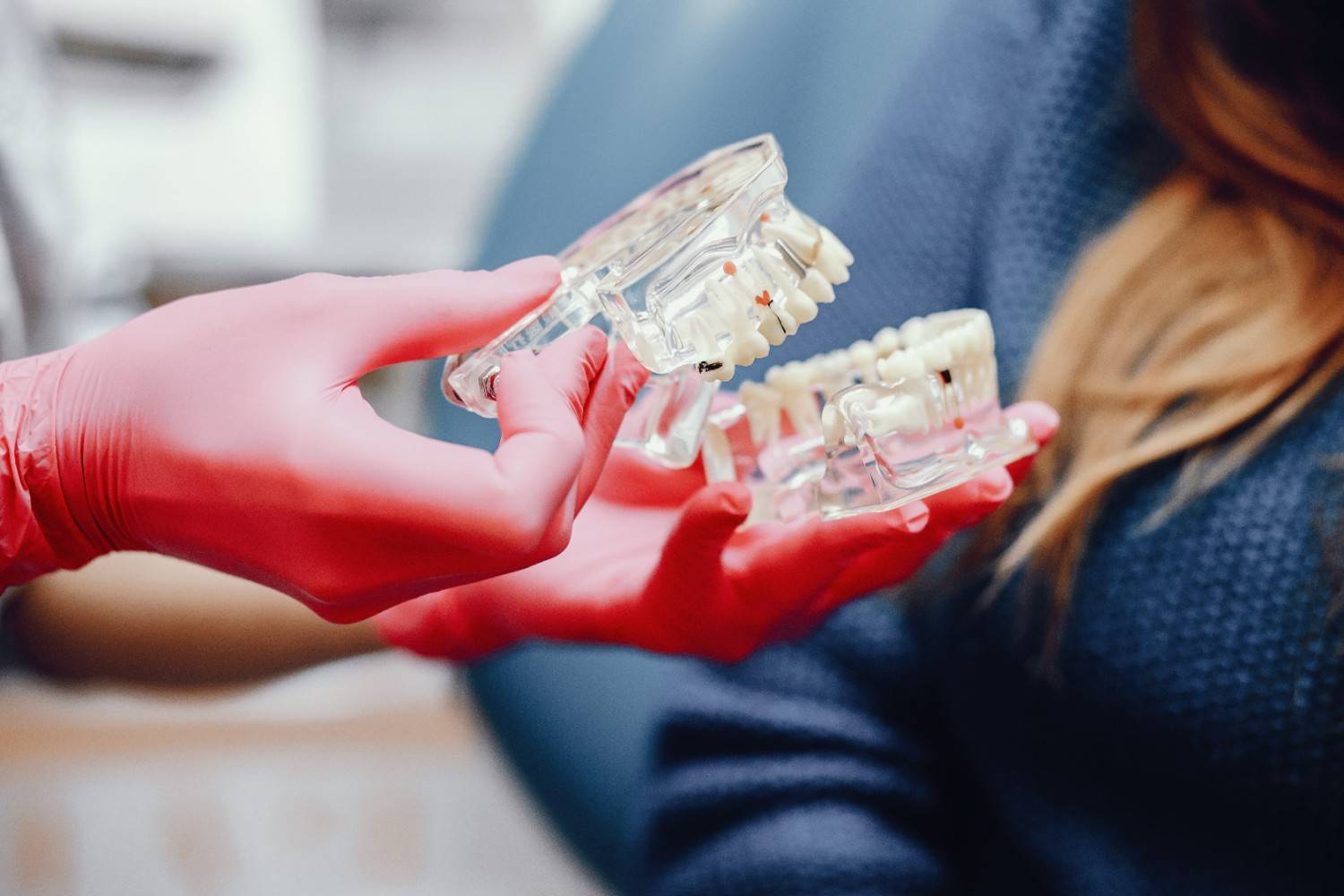
Missing teeth can affect your daily life in more ways than you might expect. From chewing difficulties to changes in speech and even shifting of surrounding teeth, the impact is both functional and aesthetic. Many people explore their options to restore their smile, and that journey often leads them toward reliable restorative solutions. In the community, one treatment that remains consistently popular is dental bridges Ancaster, known for their natural look, comfort, and long-term reliability.
This blog explains why so many patients choose bridges, how they work, what to expect during treatment, and how they help bring confidence back into your smile.
What Are Dental Bridges?
A dental bridge is a custom-made prosthetic designed to replace one or more missing teeth. It uses neighboring teeth—or dental implants—to support a natural-looking artificial tooth called a pontin. The goal of a bridge is to fill the empty space, restore bite function, and help improve your overall oral health.
Modern bridges are made from high-quality materials like porcelain, ceramic, or zirconia, meaning they blend beautifully with the rest of your teeth. Whether you’re missing a single tooth or several in a row, a bridge can often be designed to fit your unique needs.
Why Many People Choose Dental Bridges
There are many reasons why dental bridges continue to be a top restoration choice among patients who want to restore their smile without undergoing lengthy procedures.
1. A Natural Look That Blends With Your Smile
Most people want their tooth replacement to look as close to natural as possible. Bridges achieve this easily. They can be colour-matched to the surrounding teeth, shaped with precision, and designed to suit your smile line. Once placed, they’re often indistinguishable from natural teeth.
2. Restores Chewing and Speaking Ability
Missing teeth can interrupt your normal bite pattern. You may start chewing on one side, avoiding certain foods, or noticing changes in pronunciation. Dental bridges help restore balance and function so you can eat and speak comfortably again.
3. Prevents Shifting of Surrounding Teeth
A gap left by a missing tooth encourages the neighbouring teeth to drift over time. This can cause misalignment, discomfort, bite changes, and difficulty with cleaning. Bridges fill the gap, keeping the surrounding teeth stable and reducing the risk of future dental issues.
4. Supports Facial Structure
When teeth are missing for too long, the jawbone and surrounding muscles may lose support. This can cause the face to look slightly sunken or older. A bridge helps maintain natural contours by offering structure and stability.
Types of Dental Bridges
Patients exploring dental bridges Ancaster often ask about the different types available. Understanding the variety helps you choose the one that matches your goals and oral health condition.
Traditional Bridge
The most common type. It uses crowns placed on the teeth on either side of the gap. These crowns anchor the artificial tooth securely in place.
Cantilever Bridge
Used when the missing tooth has only one adjacent tooth available to support a crown. It's less common but works well in specific cases.
Maryland Bridge
Uses a metal or porcelain framework bonded to the back of the neighbouring teeth. Usually recommended for front teeth where biting pressure is lower.
Implant-Supported Bridge
Instead of relying on neighbouring teeth, this type uses dental implants for support. It's one of the strongest and longest-lasting bridge options.
What the Treatment Process Looks Like
If you are considering a bridge, knowing what to expect can make the process feel much smoother.
1. Consultation and Planning
Your dentist will examine your mouth, review X-rays, and determine the health of surrounding teeth. This helps identify which type of bridge will work best.
2. Preparing the Supporting Teeth
For traditional bridges, the teeth supporting the crowns may need reshaping. This creates space for the new restoration to fit comfortably and securely.
3. Impressions or Digital Scans
Your dentist will take impressions to design your custom bridge. Today, many clinics use digital scanning technology for more accuracy and comfort.
4. Temporary Bridge Placement
A temporary bridge protects your prepared teeth and maintains function while your permanent one is being crafted.
5. Final Bridge Placement
Once ready, the bridge is fitted, adjusted, and permanently bonded in place. The dentist ensures your bite feels natural and comfortable.
How Long Do Dental Bridges Last?
With good care, bridges typically last 7 to 15 years, sometimes even longer. Their longevity depends on:
Oral hygiene
Avoiding hard foods
Regular dental checkups
The health of the supporting teeth
Whether you choose a traditional or implant-supported bridge, proper care helps ensure long-term success.
Daily Care Tips for Bridge Maintenance
Taking care of your bridge helps extend its lifespan and keeps your mouth healthy.
Brush twice a day with a soft-bristle toothbrush.
Clean under the bridge using floss threaders or interdental brushes.
Use fluoride toothpaste for stronger enamel.
Avoid chewing very hard items like ice or pen caps.
Keep up with routine cleanings to protect the supporting teeth.
Proper cleaning prevents plaque buildup and keeps the area around the bridge healthy.
Who Is a Good Candidate for a Bridge?
You may be a suitable candidate if:
You’re missing one or more teeth
You have healthy gums
You have strong supporting teeth (unless using implants)
You prefer a fixed, non-removable restoration
You want a solution that’s faster than implants
Your dentist can recommend the right option based on X-rays and oral health evaluation.
Why This Treatment Stands Out
Many patients say they feel a boost of confidence once the treatment is completed. Bridges restore both function and aesthetics, allowing you to smile, chew, and speak comfortably again. They’re an excellent choice for people who want results without lengthy surgical procedures.
In mid-treatment discussions, patients often explain that one of the reasons they prefer dental bridges Ancaster is the balance between convenience, comfort, and natural-looking results. For many, it feels like getting their real smile back.
Conclusion
Restoring missing teeth is one of the best steps you can take for long-term oral health, functionality, and confidence. Many patients choose dental bridges Ancaster because the treatment provides a dependable, natural-looking, and comfortable solution. With the right materials, proper care, and skilled planning, a bridge can help you enjoy a complete and confident smile again.
Frequently Asked Questions (FAQ)
1. Does getting a dental bridge hurt?
Most patients experience minimal discomfort. Any soreness usually fades within a few days.
2. Can I eat normally with a bridge?
Yes. After a short adjustment period, you should be able to eat normally and comfortably.
3. How do I clean under my bridge?
You can use floss threaders, interdental brushes, or water flossers to clean underneath.
4. Are bridges noticeable?
No. High-quality materials allow the restoration to match your natural teeth very closely.
5. Can a bridge replace multiple missing teeth?
Yes. Depending on the type and design, a bridge can replace one or several teeth in a row.