
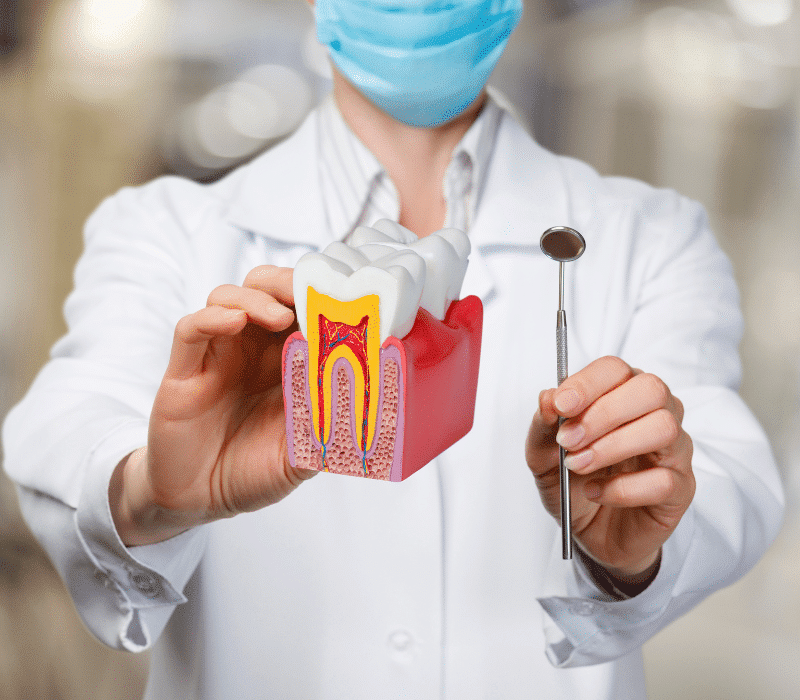
Tooth pain can be one of the most uncomfortable and disruptive dental problems, often interfering with eating, sleeping, and daily activities. In many cases, persistent tooth pain is caused by infection or inflammation inside the tooth. Root canal treatment is a highly effective solution designed to relieve pain, eliminate infection, and preserve the natural tooth.
For patients seeking root canal treatment in Ancaster, understanding the process, benefits, and recovery can help reduce anxiety and encourage timely care. This guide explains how modern root canal therapy provides comfortable and lasting relief from tooth pain while protecting long-term oral health.
Understanding Tooth Pain and Its Causes
Tooth pain can develop for various reasons, including deep cavities, cracked teeth, repeated dental procedures, or trauma. When bacteria reach the inner pulp of the tooth, it can cause infection, swelling, and intense discomfort.
Common symptoms that may indicate the need for root canal treatment include:
Persistent toothache
Sensitivity to hot and cold
Swelling of the gums
Pain while chewing
Darkening of the tooth
Pimple-like bumps on the gums
Ignoring these symptoms can allow the infection to spread, leading to more severe dental complications.
What Is Root Canal Treatment?
Root canal treatment is a dental procedure used to remove infected or damaged pulp tissue from inside the tooth. After cleaning and disinfecting the root canals, the dentist seals the space to prevent reinfection.
Modern root canal therapy is safe, efficient, and designed to minimize discomfort. Advances in dental technology and anesthesia techniques have transformed root canal treatment into a comfortable experience for most patients.
The Step-by-Step Root Canal Procedure
Understanding the process helps patients feel more relaxed and confident before treatment.
Examination and Diagnosis
The dentist begins by performing a thorough examination and taking dental imaging to assess the extent of infection and determine the best treatment approach.
Local Anesthesia
To ensure patient comfort, the affected area is numbed using local anesthesia. This allows the procedure to be performed with minimal discomfort.
Removal of Infected Pulp
The dentist creates a small opening in the tooth and carefully removes the infected pulp tissue. The root canals are cleaned and shaped to prepare for sealing.
Disinfection and Sealing
The canals are disinfected and filled with a biocompatible material to prevent bacteria from returning. A temporary or permanent filling is placed to restore function.
Final Restoration
In many cases, a dental crown is recommended to strengthen the treated tooth and protect it from fracture.
Benefits of Root Canal Treatment
Root canal therapy offers multiple benefits, including:
Immediate pain relief
Elimination of infection
Preservation of natural teeth
Prevention of tooth extraction
Restoration of chewing ability
Improved oral health
Saving the natural tooth helps maintain proper bite alignment and reduces the need for tooth replacement options.
Comfortable Care with Modern Techniques
Root canal treatment in Ancaster is now more comfortable than ever. Advanced tools, precise imaging, and improved anesthesia techniques allow dentists to perform the procedure efficiently and gently.
Patients often report that the experience feels similar to receiving a regular filling, making root canal therapy a stress-free solution for relieving tooth pain.
What to Expect After Treatment
Following the procedure, mild sensitivity or soreness may occur for a few days. This discomfort is typically manageable with over-the-counter pain medication and proper aftercare.
Patients are advised to:
Avoid chewing on the treated tooth until it is fully restored
Maintain good oral hygiene
Attend follow-up appointments
Complete the final restoration if recommended
Proper aftercare supports healing and long-term success.
How Root Canal Treatment Protects Long-Term Oral Health
Preserving the natural tooth through root canal therapy helps maintain jawbone strength, proper chewing function, and natural smile aesthetics. It also prevents surrounding teeth from shifting, which can lead to alignment issues.
Root canal treatment not only addresses current pain but also protects oral health for years to come.
Signs You May Need Root Canal Treatment
Early intervention is key to preventing complications. Patients should seek evaluation if they experience:
Lingering tooth sensitivity
Sharp or throbbing pain
Gum swelling
Tooth discoloration
Persistent discomfort
Prompt treatment helps prevent the infection from spreading and reduces the risk of more extensive procedures.
Choosing Root Canal Treatment in Ancaster
Receiving care from a skilled dental provider ensures accurate diagnosis, gentle treatment, and long-term success. Local dental clinics offer modern technology, experienced teams, and personalized care plans tailored to each patient’s needs.
Choosing professional root canal treatment in Ancaster provides convenience, comfort, and high-quality care close to home.
Maintaining a Healthy Smile After Root Canal Treatment
After successful treatment, maintaining good oral hygiene and regular dental visits helps protect the restored tooth and prevent future problems. Brushing twice daily, flossing regularly, and attending routine dental exams are essential for long-term oral wellness.
Conclusion
Root canal treatment is a safe, effective, and comfortable solution for relieving tooth pain and preserving natural teeth. With modern dental advancements, patients in Ancaster can receive gentle care that restores comfort and protects long-term oral health.
By seeking timely treatment and following proper aftercare, patients can enjoy lasting relief, improved oral function, and confident smiles.
Frequently Asked Questions
Q1.Is root canal treatment painful?
Modern root canal therapy is performed under local anesthesia, making the procedure comfortable. Most patients experience minimal discomfort during and after treatment.
Q2. How long does a root canal procedure take?
The procedure typically takes 60 to 90 minutes, depending on the complexity of the case.
Q3.How long does a root canal-treated tooth last?
With proper care and restoration, a treated tooth can last a lifetime.
Q4.Will I need a crown after root canal treatment?
In many cases, a dental crown is recommended to strengthen and protect the tooth, especially for molars and premolars.
Q5. What happens if I delay root canal treatment?
Delaying treatment can allow the infection to spread, leading to increased pain, tooth loss, and potential health risks.